Crypto Trading Fees
Binance is usually priced for active trading, but it isn’t a flat-fee setup. Fees are mainly based on a maker/taker model on spot and derivatives, and what you pay can change with your 30-day trading volume and (in some cases) your BNB balance or VIP tier.
Most users trade from one main account, and you can also set up linked sub-accounts if you want to separate strategies or manage permissions.
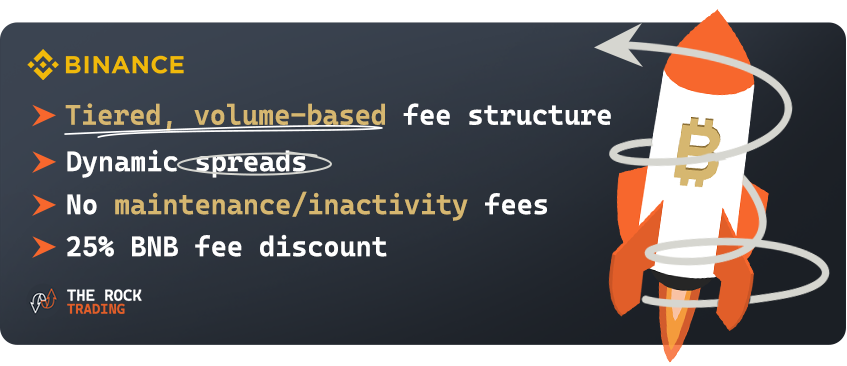
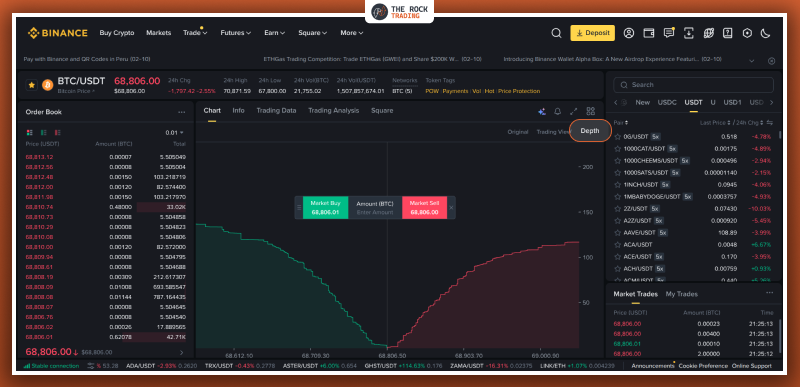
A useful way to think about Binance costs is that you’re paying in two places: explicit fees (maker/taker commissions) and implicit costs (the spread between bid and ask).
Sample Spot Spreads on Binance (Snapshot)
These example spreads show typical bid/ask gaps on selected spot pairs during normal liquidity. Spreads change constantly with market conditions and order book depth.| Cryptocurrency Pair | Typical Spread (Percentage) |
|---|
| BTC/USDT | 0.01% |
| ETH/USDT | 0.01% |
| BNB/USDT | 0.02% |
| SOL/USDT | 0.02% |
| XRP/USDT | 0.02% |
| DOT/USDT | 0.05% |
| MATIC/USDT | 0.05% |
| LINK/USDT | 0.04% |
| ADA/USDT | 0.06% |
| AVAX/USDT | 0.05% |
| PEPE/USDT | 0.15% |
| NEAR/USDT | 0.08% |
| INJ/USDT | 0.10% |
| FET/USDT | 0.12% |
| RNDR/USDT | 0.10% |
Spreads move all the time because they come from the live order book, so a typical spread table is always a snapshot, not a fixed cost. If you keep the spread table, label it clearly as a sample taken during normal liquidity conditions, and note the pairs and time window used.
Binance Trading Fees Explained
On spot, Binance’s entry-level fee is commonly quoted as 0.10% maker / 0.10% taker on the standard tier, with lower rates at higher VIP levels. On derivatives, fees are usually lower than spot, but the exact schedule depends on the contract type and your tier.
If you include specific futures fee numbers, make sure they’re tied to the current Binance fee page for the relevant entity, because fee schedules can change and are not always identical across regions.
Binance also offers a fee discount if you pay fees using BNB, which is often advertised as around 25% on eligible spot trades. It’s worth treating this as up to rather than a guaranteed saving, because the discount and eligibility can change, and it adds an extra variable (holding BNB) into your cost setup.
Binance vs Coinbase vs Kraken Fees (High-Level Comparison)
A simplified comparison of spot fee structures and discounts across major exchanges. Exact fees can change by tier, region, and product.| Feature | Binance (Global) | Coinbase | Kraken |
|---|
| Base Spot Fee | 0.10% | 0.05% – 0.60% (Takers); 0.00% – 0.40% (Makers) | Fixed 1% |
| Discount | 25% to 0.075% discount with BNB Coin | 0$ trading fee with Coinbase One subscription | 0$ trading fee for Kraken Pro accounts |
| Maker Rebates | Yes (VIP tiers) | 25% back, but only with Coinbase One subscription | Yes |
| Inactive Fees | $0 | $0 | $0 |
Spot Trading vs Convert Tool Fees
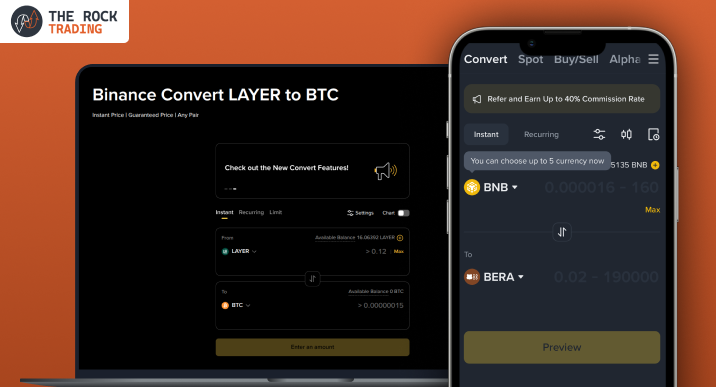
Binance has two common ways to swap coins – Spot and Convert. Spot is the order-book market where you place limit or market orders and pay maker/taker fees, and it’s where you typically get the most transparency on pricing.
Convert is designed to be simpler, but the cost is often baked into the quote via a wider spread, so it can work out more expensive than spot, especially on less liquid coins or larger order sizes.
Other Fees to Be Aware Of
Crypto withdrawals on Binance include a network fee that varies by chain and congestion, and Binance can change the fee it charges per asset over time. Fiat deposits and withdrawals depend heavily on where you live and the payment rail available, and so do fees.
Binance generally doesn’t charge an inactivity fee for leaving the account unused, and there’s no overnight fee for simply holding spot crypto, but leveraged products come with their own costs such as margin interest and futures funding rates that can change frequently.
Our Score on Binance’s Fees and Spreads
We scored Binance’s fees and spreads 8/10 because standard spot fees are usually competitive and the maker/taker model is clear once you’re using the order book, which suits frequent traders who care about pricing.
The trade-off is that your true cost still depends on spreads, and discounts like paying fees in BNB add another moving part. Withdrawal and fiat funding fees also vary by network, method, and region, so the cheapest route isn’t the same for every user.
Crypto Markets
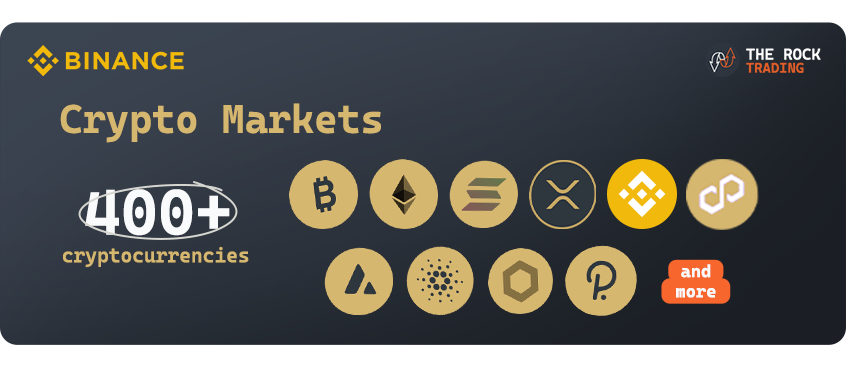
Binance offers one of the widest crypto selections in the exchange market, with 400+ cryptocurrencies and 1,500+ trading pairs on the global platform (this is the version with the broadest catalogue).
Binance.US is a separate product with a smaller list at around 200+ cryptocurrencies, and the exact coin list and feature access can vary by state and regulation.
A big reason people use Binance is that it often has more depth on major pairs and many popular altcoins than app-style platforms like Robinhood or eToro, which can matter if you place larger orders or trade actively.
That doesn’t make every market liquid though, because smaller cap coins can still be thin at times, spreads can widen, and pricing quality varies a lot by token.
Available Cryptocurrencies
Binance lists a broad mix of majors (BTC, ETH), large-cap altcoins, and sector themes like AI, Gaming, and DeFi, and it regularly adds and removes assets. That’s helpful if you want access to newer tokens early, but it also means you need to stay aware of delistings and regional restrictions, especially if you hold smaller coins.
Major Crypto Pairs on Binance (Sample Minimum Spreads)
A sample of larger, higher-volume coins where spreads are usually tighter due to deeper order books.| Cryptocurrency | Symbol | Minimum Spread (%) |
|---|
| Bitcoin | BTC | 0.01% |
| Ethereum | ETH | 0.01% |
| Solana | SOL | 0.01% |
| Binance Coin | BNB | 0.01% |
| XRP | XRP | 0.02% |
| Cardano | ADA | 0.02% |
| Avalanche | AVAX | 0.02% |
| Polkadot | DOT | 0.02% |
| Chainlink | LINK | 0.02% |
| Polygon | POL | 0.02% |
Major coins and high-volume pairs usually have the tightest spreads and strongest order book depth, while smaller assets can show wider spreads and less consistent liquidity.
Mid-Cap and Newer Tokens on Binance (Sample Minimum Spreads)
A sample of mid-cap or newer listings where spreads can be wider and liquidity can vary more by time and region.| Cryptocurrency | Symbol | Minimum Spread (%) |
|---|
| Arbitrum | ARB | 0.04% |
| Near Protocol | NEAR | 0.04% |
| Injective | INJ | 0.05% |
| Celestia | TIA | 0.05% |
| Sei | SEI | 0.05% |
| Optimism | OP | 0.06% |
| Aptos | APT | 0.06% |
| Sui | SUI | 0.06% |
| Kaspa | KAS | 0.07% |
| Bittensor | TAO | 0.07% |
Binance also lists more high risk tokens through its newer project categories (often described as an innovation style zone).
These markets can be useful if you want exposure to early stage projects, but they also tend to come with higher volatility, wider spreads, and a higher chance of delisting compared to the main large-cap markets.
Higher-Risk Token Categories on Binance (Sample Minimum Spreads)
A sample of higher-volatility listings where spreads can be wider and delistings can be more common than major coins.| Cryptocurrency | Symbol | Minimum Spread (%) |
|---|
| Render | RNDR | 0.10% |
| Fetch.ai | FET | 0.12% |
| Golem | GLM | 0.15% |
| Synapse | SYN | 0.18% |
| Aergo | AERGO | 0.20% |
| Highstreet | HIGH | 0.22% |
| Quantstamp | QSP | 0.25% |
| ZetaChain | ZETA | 0.25% |
| Status | SNT | 0.28% |
| Ethernity | ERN | 0.30% |
Delistings are part of how large exchanges manage risk and listing standards, and Binance typically posts announcements and sends notifications ahead of time, but timelines and availability can still change quickly.
If you’re holding smaller tokens, it’s worth treating delisting risk as a normal part of the product rather than an edge case.
Fiat-to-Crypto Markets
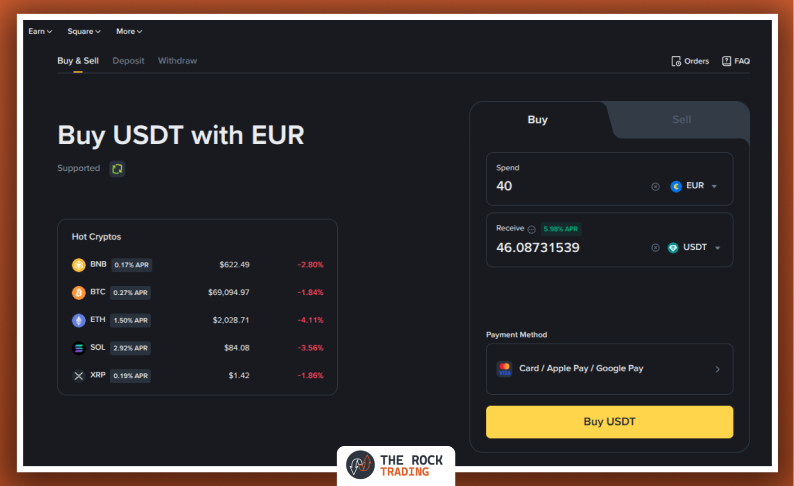
Binance supports multiple fiat currencies through bank transfers and payment gateways (for example EUR, GBP, BRL, and others), but the actual rails available depend on your country, the Binance entity you’re registered under, and the banking partners currently in place.
The most reliable place to confirm your options is the Buy Crypto and funding pages inside your account, because availability can change.
In more restricted regions, you may find that certain fiat services aren’t available, which can leave crypto deposits/withdrawals or P2P as the main funding route.
Rather than listing specific US states (which can drift), it’s safer to say that Binance.US fiat access varies by state and users should check the supported rails shown in-app.
Trading Pairs and Liquidity
Most trading volume still concentrates in major pairs like BTC and ETH, plus stablecoin pairs like USDT and USDC, and these markets typically have the deepest order books and the lowest slippage risk.
On low-cap coins, slippage can still be a factor, particularly if you use market orders during fast moves, because order book depth can disappear quickly.
Our Score on Binance’s Crypto Markets
We scored Binance’s crypto markets 8/10 because the global platform has a very large coin catalogue and a high number of pairs, and it often has stronger liquidity across majors and many altcoins than platforms like Robinhood and eToro. If your priority is access to markets and the ability to trade actively without constantly fighting thin order books, Binance is usually strong here.
The trade-off is that market access and listings can change by region and entity, and Binance.US is a different line-up with fewer coins and features. The long tail of small-cap and innovation style tokens also needs more caution, because spreads and liquidity can be less reliable and delistings happen more often than with majors.
Trading Platforms and Tools
Binance runs on its own in-house platform across web and mobile, rather than plugging directly into trading terminals like MT4 or MT5. The upside is that everything is built around Binance’s order books and product range, so you get a lot of functionality in one place.
The major downside is that it’s not a clean interface, and the experience can feel busy compared with simpler exchanges like Coinbase.
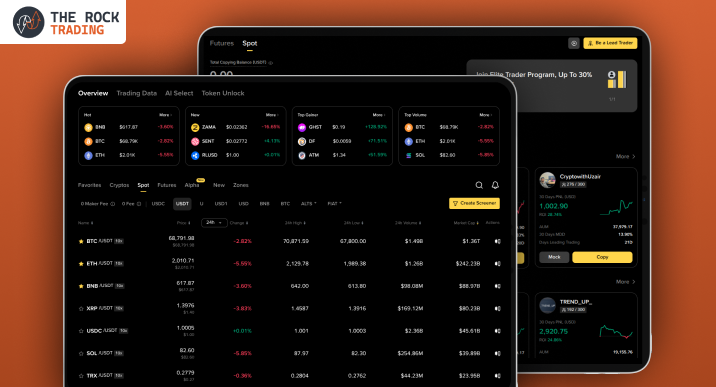
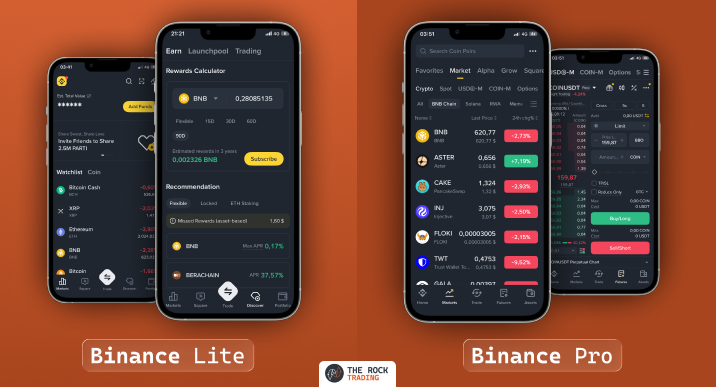
The Binance platform is split into lighter and more advanced views. If you just want basic buying, selling, and portfolio tracking, the simplified layouts do the job. If you want active trading, Binance pushes you towards the Pro-style screens with order types, charts, and market data that suit people who trade more often.
Binance Lite
Binance includes a Lite mode aimed at beginners, which strips the interface back to the basics and reduces the number of menus you see at once. It’s useful if you mainly want quick spot trades and balances, and it can make the app feel less overwhelming.
Switching is usually done inside the app by tapping the Binance logo/menu and selecting Lite (the exact steps can vary slightly by app version).
Third-Party Platform Integrations
Binance doesn’t natively support MetaTrader 4 and MetaTrader 5 in the way a crypto prop firm or CFD broker might, but you can still connect external tools in a few ways, mainly through official connections where available and API access.
This is helpful if you like Binance’s markets and liquidity but prefer doing analysis, alerts, or automation somewhere else.
- TradingView: Common option for charting and placing trades from charts where supported, by connecting Binance through TradingView’s trading panel and authorising the link.
- MT4/MT5: If you want MT4/MT5-style execution, this is usually done through third-party bridges or bots that sit on top of the Binance API. This is not the same as native support, and it adds extra platform risk because you’re relying on a third party with your API permissions.
- Automation tools: Platforms like 3Commas or Capitalise.ai can connect via API for bots, signals, and rule-based execution, depending on region and product access.
Binance Third-Party Platforms and Automation Options
Ways you can connect Binance to external charting, bots, or execution tools. API access adds extra setup and third-party risk.| Supported Platform | Connection Method | Key Feature |
|---|
| TradingView | OAuth Login | Direct brokerage, One-click chart trading |
| MT4 / MT5 | API Keys | Algorithmic, Custom Expert Advisors |
| 3Commas | API Keys | Automation, Advanced grid & DCA bots |
| HaasOnline | API Keys | Algorithmic, Custom Expert Advisors, Trading bots |
| Webhooks | Webhook URL | Signal-based indicators, TradingView alert triggers |
If you include integrations, it’s worth being clear that API-based setups come with trade-offs. If you’re adding another service to your stack, and the risk profile depends on how permissions, whitelists, and security controls are configured.
Binance Web Platform
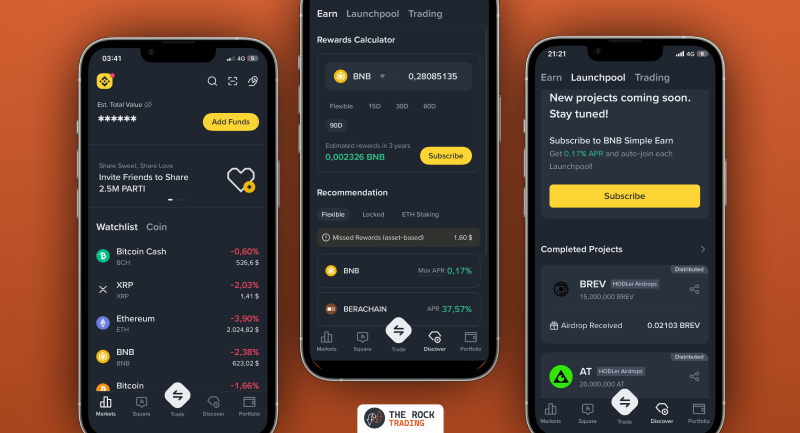
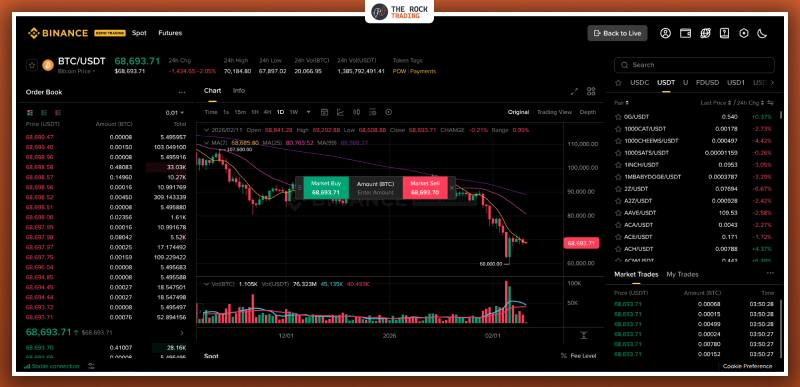
The web platform is the most feature-heavy version, with market pages, order books, depth views, and a large set of order types. It’s designed for people who want lots of information on one screen, which is useful for active trading but can feel like too much if you only place the occasional spot order.
For most, the learning curve is less about hard concepts and more about finding the parts of the platform you actually need and ignoring the rest.
Binance Mobile App
The mobile app mirrors most of the web experience, with Lite and Pro-style layouts, plus security and account controls. It’s practical for monitoring positions, managing orders, and getting alerts, but the Pro layout can still feel cramped on a smaller screen. If you mainly want a simple buy-and-hold workflow, the app is usable, but it won’t feel as streamlined as beginner-first exchanges.
Advanced Trading Interface
Binance’s Pro screens support a range of order types used by active traders, including OCO (one-cancels-the-other), trailing stops, and post-only orders where available. It also includes built-in charting with common indicators (like RSI and MACD), and you can still pair it with TradingView if you prefer scripting, alerts, or a cleaner charting workspace.
Crypto fees are generally clearer on the order-book spot interface than on the simple Convert flow, where pricing is more spread-based.
Binance Add-ons
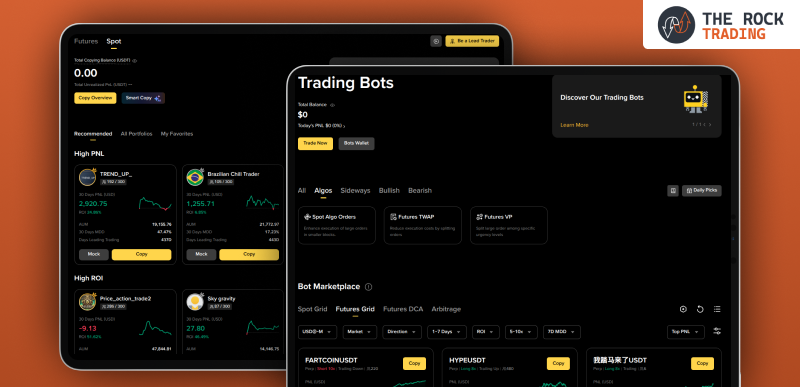
Binance also offers extra tools around copy trading and bots in some regions and interfaces, plus API-based options for traders who want automation.
Binance Add-Ons and Built-In Features (By Availability)
A summary of common add-ons like copy trading and bots, but availability depends on region, entity, and account access.| Add-on | Platform / Account | Best For | Location |
|---|
| Copy Trading | Binance Pro / Global | Beginner/Passive Traders | Global (Excl. Restricted) |
| Capitalise.ai | API Integration | Code-Free Automation | Global |
| Trading Bots | Web and Mobile Pro | Grid & DCA Strategies | Global |
| VPS Hosting | API / Third-party | High-Frequency Trading | Global |
Our Score on Binance’s Platforms and Tools
We scored Binance’s platforms and tools 6/10 because the web and mobile apps give you a lot of trading functionality in one place, but the interface is still busy and the learning curve is real, especially for beginners. The optional Lite mode helps, and integrations like TradingView can improve the workflow, but anything API-based adds extra complexity and third-party risk that won’t suit everyone.
Safety and Regulation
Binance is a large, centralised exchange, so safety here is mostly about three things 1) which Binance entity you’re using. 2) what rules apply in your country, and 3) how comfortable you are holding funds on an exchange wallet rather than your own self-custody wallet.
Binance does operate with licences and registrations in various jurisdictions, but there isn’t one global regulator that covers the full platform, and product access can change depending on where you live.
Regulation and Licences
Binance operates through regional subsidiaries to meet local legal requirements, which means consumer protections and available products can vary a lot by location. In practice, you should assume the experience is different depending on whether you’re using the main global platform, Binance.US, or another local entity.
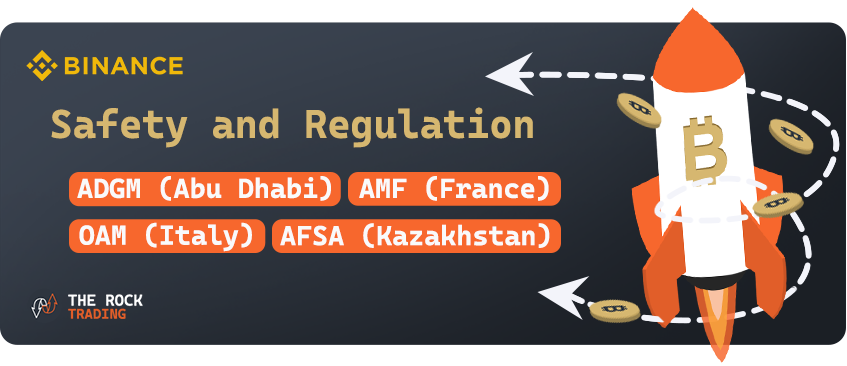
Examples of publicly listed registrations/licences often referenced for Binance-related entities include:
- Abu Dhabi Global Market (ADGM): Nest Exchange Limited (spot/derivatives), Nest Clearing Limited (custody)
- France (AMF): registered as a Digital Asset Service Provider (DASP)
- Italy (OAM): Virtual Asset Service Provider registration
- Kazakhstan (AFSA): licence for digital asset platform operations
Restrictions can also be stricter in some countries (including parts of the UK and Canada at different times), and certain accounts can end up limited to reduced functionality depending on local rules.
The practical takeaway is simple: check which entity you’re onboarding with and what products are actually enabled inside your account, because marketing pages don’t always reflect every region.
Custody and Asset Storage
Like most centralised exchanges, Binance uses an exchange custody model by default, meaning Binance controls the private keys for your exchange wallet. That’s convenient for crypto trading, but it’s not the same as holding assets in a self-custody wallet where you control the keys.
If self-custody matters to you, Binance supports sending assets out to external wallets, but how you choose to store funds depends on your risk tolerance and how actively you trade.
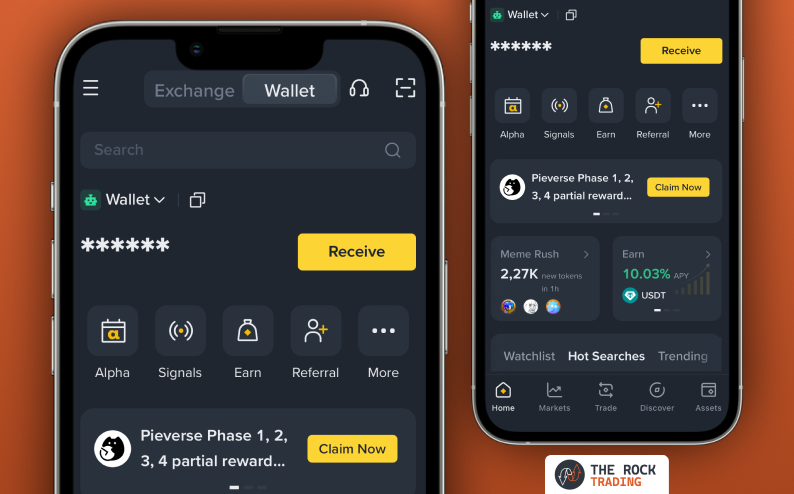
Some users also connect external wallets and apps to the Binance ecosystem, including:
- Trust Wallet
- MetaMask
- SafePal
- Phantom
- Binance Wallet
Availability and integrations always comes down to the region you are in.
Account Security Features
Binance includes standard account-level security controls you’d expect on a major exchange, such as two-factor authentication options, device management, withdrawal address whitelisting, and other login and withdrawal safeguards.
These tools can help reduce the risk of account compromise, but they don’t remove market risk, and leveraged products add their own failure modes (liquidations, funding costs, and fast-changing margin requirements).
Binance also promotes the Secure Asset Fund for Users (SAFU) as a reserve fund intended to support users in certain incident scenarios. It’s still not a blanket insurance policy, and coverage isn’t guaranteed for every case, but it’s part of how Binance frames its risk backstops.
Our Score on Binance’s Safety and Regulation
We scored Binance’s safety and regulation 5/10 because the platform’s protections and rule-set depend heavily on which entity you’re under and what your country allows, and that uncertainty is a real downside for a lot of users.
Binance has meaningful and decent security features and publishes Proof of Reserves, but those don’t remove the core exchange risks around custody, operational events, and shifting regional compliance, so we treat this as an area where you need to stay alert rather than assume everything works the same everywhere.
Funding and Withdrawals
Binance supports a mix of fiat and crypto funding routes, but what you can actually use depends on your country, the Binance entity you’re registered under, and the payment partners available at the time.
In some regions you’ll have bank transfer options like SEPA for EUR or SWIFT for international transfers, while others lean more on card payments, third-party gateways, crypto deposits, or P2P.
Common funding methods you may see include:
- Fiat bank transfers such as SEPA or SWIFT
- Direct crypto deposits and withdrawals
- Credit or debit cards like Visa and Mastercard
- P2P transfers using local bank rails or e-wallets, depending on location
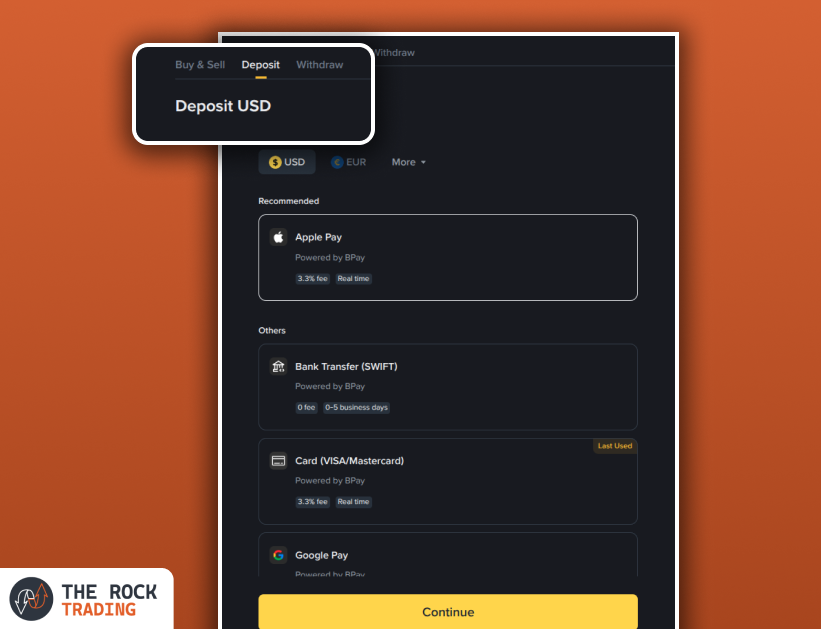
- Payment providers like Wise, Skrill, Google Pay, Apple Pay, and Binance Pay, where supported
Deposit Methods and Times
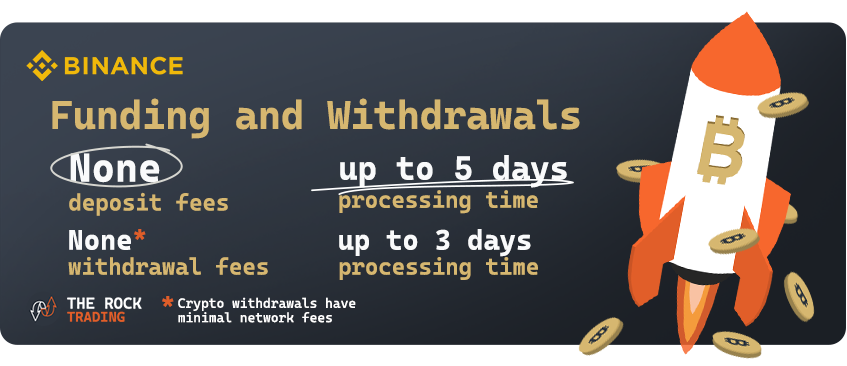
Crypto deposits are usually credited after the required network confirmations, and Binance typically doesn’t charge a platform deposit fee for crypto, although you still pay network costs when you send funds from another wallet or exchange.
Fiat deposits vary more – bank transfers are often cheaper but can take longer, while card deposits are usually faster but can come with higher processing fees set by the provider.
Minimum deposit amounts vary by currency and method. If you include a specific minimum like 10 dollars, it’s safer to frame it as a common starting point rather than a fixed rule, because limits can differ by region and rail.
Withdrawal Methods and Times
Crypto withdrawals depend on the blockchain you’re using and current network conditions, so timings and fees can move around. Binance sets withdrawal fees per asset and network, and those fees typically change over time as network costs and routing options change, so it’s worth checking the in-platform withdrawal screen for the current figure before you send.
Fiat withdrawals usually go back out via bank transfer where available, and fees and processing times depend on the rail and region. As a general pattern, SEPA can be cheaper for EUR users, while international wires can be more expensive and slower, but the exact numbers aren’t stable enough to treat as universal.
Withdrawal limits also depend on your verification level and local rules, so it’s best to treat any headline limits as account-specific rather than something every user gets.
Binance Earn
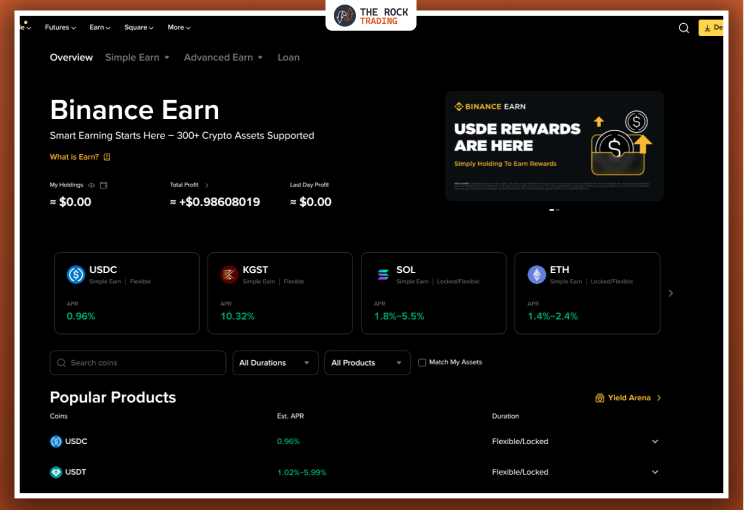
Binance also has Binance Earn, which groups together yield-style products like staking and other reward programmes. These products vary by region and by asset, and they can have different access rules, lock-up periods, and redemption terms.
Binance Earn tends to include options such as:
- Binance Earn
- Binance Stake
- Launchpool
- Lending or loan-style products where available
- Savings-style products
- Dual Investment and other structured products
Our Score on Binance’s Funding and Withdrawals
We scored Binance’s funding and withdrawals 6/10 because the platform offers plenty of ways to move money in and out, but the experience isn’t consistent across regions and payment rails can change depending on local partners and regulation.
Crypto transfers are straightforward once you pick the right network, but fiat options and fees are more variable, and withdrawal costs can be high on some legacy chains, so you often need to check the in-app details before you commit to a method.
Trading Rules and Limitations
Binance is less restrictive than simple buy-and-hold apps because it gives you more ways to trade, including advanced order types and, in some regions, margin and derivatives.
But, the catch is that the rules change depending on where you live and which Binance entity you’re under, so the product set you see in your account is the one that matters.
Binance also supports a range of trading styles through tools like APIs, bots, and copy-style features in some regions. These aren’t on everywhere, and they add complexity, but they’re part of why Binance is popular with active traders.
Minimum Trade Sizes
Minimums vary by pair, but Binance generally works for smaller account sizes on spot. The more practical limit is costs: spreads, fees, and on-chain withdrawal fees can take a bigger bite out of small, frequent trades.
Geographic Restrictions and Differences With Binance.US
Binance and Binance.US are completely separate products and entities. Binance.US has a different coin list and feature access, and US residents generally can’t use the global platform. Outside the US, access to things like futures, margin, earn products, and even fiat rails can still be restricted depending on local rules.
Leverage Trading and Margin Trading Availability
Where futures are available, Binance lets you trade leveraged contracts rather than owning the underlying coin.
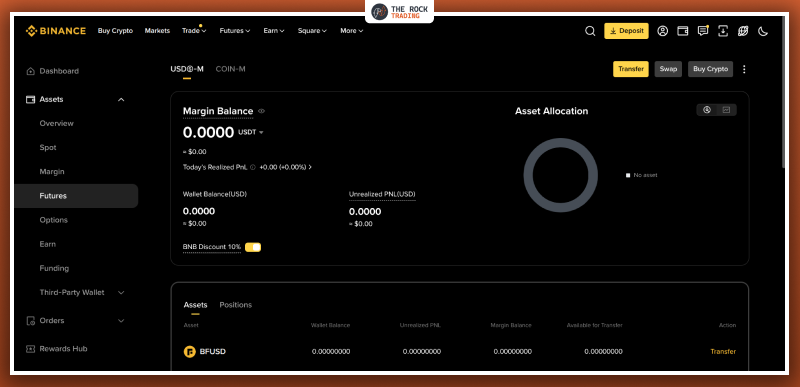
Maximum leverage depends on the contract, your account classification, and local limits, and in some regions futures are limited or not available at all. Margin trading is separate again and depends on the asset and local rules.
Binance Leverage and Product Access (Region and Account Summary)
The table below summarises how spot margin and futures leverage typically differ by region and account type on Binance. Availability and limits can change based on your country, the Binance entity you’re registered under, and the specific contract, so treat this as a quick reference and confirm the exact settings inside your account.| User / entity context | Spot margin (typical) | Futures access | Futures max leverage (headline) | What to check in-app |
|---|
| EU/EEA retail account | Often 2x–3x (where enabled) | Often restricted or not offered | Not applicable if futures not offered | Margin enabled assets, margin mode, local limits |
| Non-EU retail account | Often 3x–10x (asset-dependent, where enabled) | May be offered (region-dependent) | Up to 125x on some contracts | Contract leverage caps, risk tier, local eligibility |
| Higher-tier / professional-style account (if available under your entity) | Can be higher than retail (asset-dependent) | More likely to be offered (still region-dependent) | Up to 125x on some contracts | Account classification, leverage tier, contract limits |
| Institutional | Custom | Custom | Custom | Institution terms and risk settings |
Our Score on Binance’s Rules and Limitations
We scored Binance’s rules and limitations 7/10 because it supports most trading styles and gives active traders plenty of tools, but the experience isn’t consistent across regions and leveraged products add extra rules and risks that platforms for beginner crypto traders usually avoid.
Binance’s Overall Score
We scored Binance 67/100 because it’s strong where active traders care most, mainly fees and market depth, but it loses points on simplicity and risk clarity.
The trading platform is built for people who want lots of crypto markets, order types, and tools, yet the interface can feel busy and feature access isn’t consistent across regions or entities.
On the safety side, Binance has standard account security features, but it’s still a custodial exchange and the regulatory picture can change depending on where you live, so we score that area more conservatively.
The overall score is the even average of the six category scores below.
Binance Review - Category Scores
The table below shows our six category scores for crypto exchanges. Each category is weighted equally. We average the six scores, then multiply by 10 to convert to a score out of 100 (rounded).| Category | Score (out of 10) | Why it scored this way |
|---|
| Fees | 8 | Low spot fees and clear maker/taker pricing, but spreads and BNB discounts add variables. |
| Platforms | 6 | Good web/mobile tools and Lite mode, but the interface is busy and API tools add complexity. |
| Funding | 6 | Many funding options, but fiat rails and fees vary by region and partner. |
| Markets | 8 | Very large coin list and many pairs on the global platform, with strong liquidity on majors. |
| Safety | 5 | Solid account security tools, but custody and regulatory protections vary by entity and country. |
| Rules | 7 | Wide feature set, but access to leverage and products varies by region and adds extra rules |
Overall score maths: (8+6+6+8+5+7) ÷ 6 = 6.6667 = 66.67/100 = 67/100 (rounded)